



List Product Categories

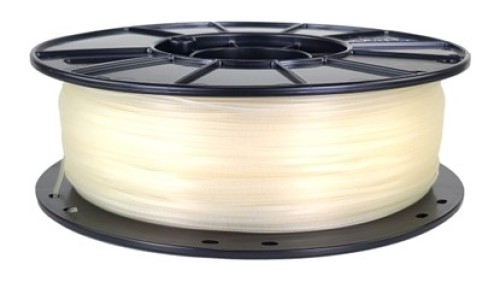
PLA is a biodegradable thermoplastic derived from renewable resources It prints at relatively low temperature, has minimal warping, and is user-friendly — making it very popular for hobbyist and educational use. However, it has relatively low heat-resistance and is more brittle compared with some engineering plastics. Typical uses: Decorative items, concept models,

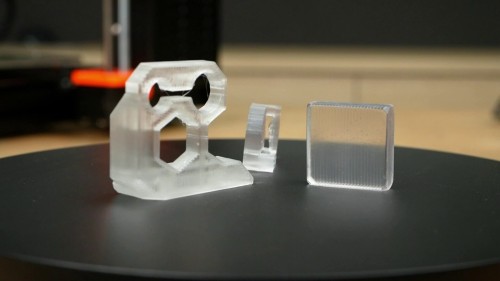
ABS is a petroleum-based thermoplastic known for strength, toughness, and heat resistance. It requires higher extruder and bed temperatures, and often benefits from an enclosure because of warping during cooling. It’s great for mechanical components and functional end-use parts, but less user-friendly for beginners. Typical uses: Enclosure

  PETG combines some of the ease of printing of PLA with improved strength and durability closer to ABS. It offers good chemical resistance, relatively low warping, and decent heat resistance — a “sweet spot” material for functional prints. Typical uses: Functional parts, mechanical components, containers, parts

  Nylon is known for toughness, flexibility under stress, and wear/abrasion resistance. It can be more challenging to print: higher temperatures required, absorbs moisture quickly, may need special conditions. Typical uses: Gears, hinges, functional durable parts, industrial components.  

TPU is a flexible, rubber-like filament — great elasticity and resilience, good for vibration damping and shock absorption. Printing TPU often requires slower speeds, optimized retraction, and ideally a direct-drive extruder for best results.

PC is a high-performance thermoplastic offering high strength, good heat resistance, and often used for more demanding applications. Because of its demanding print requirements (higher melt temperature, good bed/ambient heating, sometimes enclosure), it suits advanced or industrial use. Typical uses: Load-bearing parts, industrial components